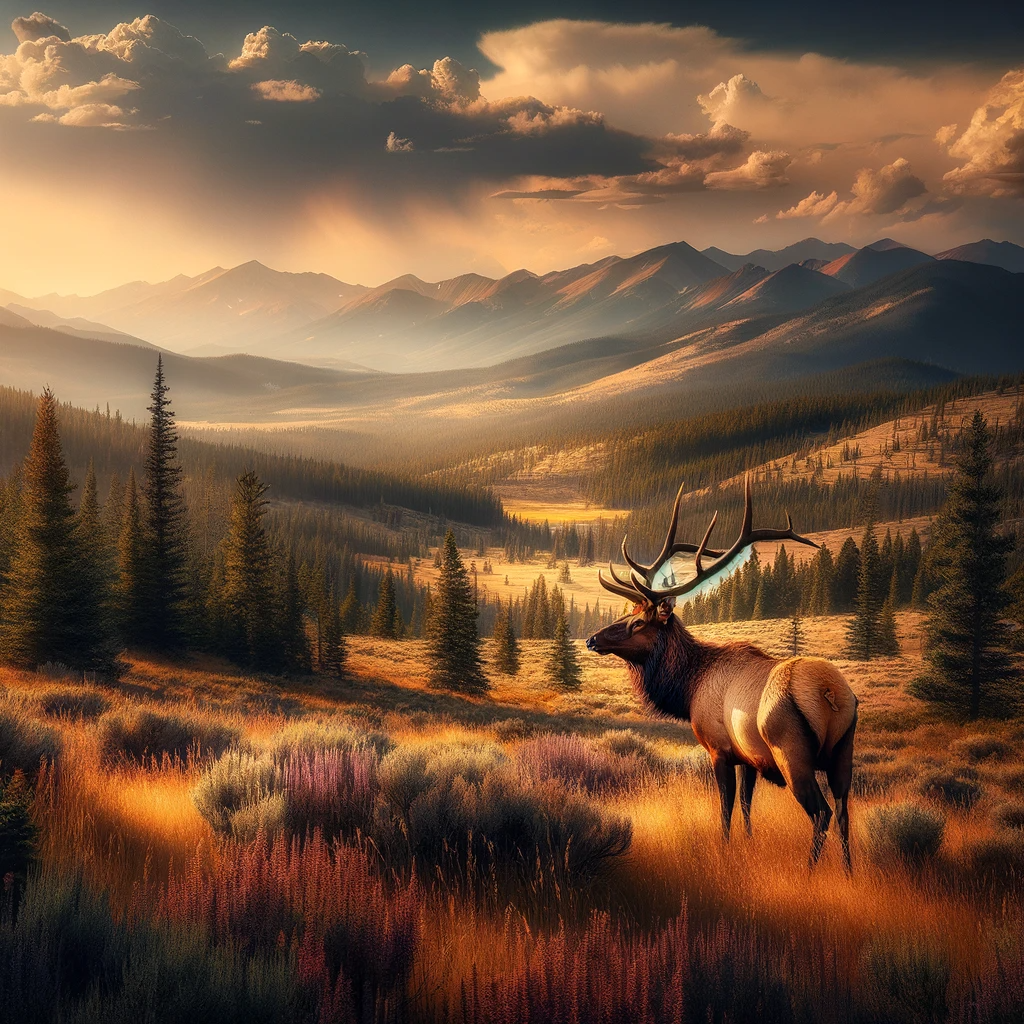
Few foods are more closely associated with Joe Rogan than elk. He hunts it, cooks it, gives it to friends and talks about it on JRE as an example of food with a direct connection to the animal and the landscape it came from.
That makes “Joe Rogan elk” more than a diet topic. It sits at the intersection of his interests in bowhunting, wild food, fitness, conservation and self-sufficiency.
Quick answer: Elk is a lean, protein-rich red meat that Rogan regularly eats from his hunts. He values both the nutritional profile and the fact that a successful elk hunt can provide a large amount of meat. Because elk is leaner than many beef cuts, it also benefits from careful cooking so it does not dry out.

Why Joe Rogan is so into elk
Rogan’s enthusiasm starts with the hunt itself. Elk hunting — especially with a bow — can require long days in steep terrain, close-range calling, careful wind management and significant work after an animal is harvested.
He has repeatedly described that effort as part of what makes the resulting food meaningful. Instead of buying anonymous meat, he knows where it came from and participated in every part of the process.
For the hunting side, see our full Joe Rogan hunting guide.
Is elk meat healthy?
Elk is generally a lean red meat and a strong source of protein, iron, zinc and vitamin B12. Exact nutrition varies by cut, animal and preparation, so sweeping claims like “elk is healthier than every kind of beef” go too far.
The clearer distinction is that many elk cuts are lower in total fat than heavily marbled beef cuts. If you compare a very lean beef cut with a similar elk cut, the gap can be smaller.
What elk provides nutritionally
| Nutrient | Why it matters |
|---|---|
| Protein | Supports muscle repair and many structural functions |
| Iron | Needed for oxygen transport in the blood |
| Vitamin B12 | Important for red blood cells and nervous-system function |
| Zinc | Supports immune function and many enzymes |
| Selenium | Involved in antioxidant and thyroid-related processes |
Wild game nutrition is not a reason to treat elk as a miracle food. It is simply a nutrient-dense source of animal protein.
Elk vs. beef
The biggest practical difference is often fat content. Elk tends to be quite lean, while beef ranges from extremely lean to highly marbled.
That changes both nutrition and cooking:
- lean elk can provide a lot of protein for relatively few calories
- heavily marbled beef is usually more forgiving to cook
- elk can become dry or tough when overcooked
- ground elk is often mixed with additional fat depending on the recipe
Rogan’s preference for wild game also reflects his personal values around hunting and food sourcing, not merely a macronutrient comparison.
Does Joe Rogan eat elk on the carnivore diet?
Yes. Elk has featured prominently in Rogan’s animal-based and carnivore-style eating periods. Because he hunts, his version of a meat-heavy diet can include a large amount of wild game rather than relying entirely on supermarket beef.
Read more about what he reported during his carnivore diet experiments.
How does Joe Rogan cook elk?
Rogan has shared elk steaks, ground elk and other preparations over the years. One common approach for very lean steaks is controlled cooking followed by a hard sear, which helps avoid leaving the center on high heat long enough to dry out.
That said, wild game is food, not gym equipment, and safe handling matters. Cooking recommendations can differ based on whether the meat is an intact steak, ground meat or a particular wild-game species. Follow current food-safety guidance and use a thermometer rather than relying only on color.
Tips for cooking lean elk
- Do not treat a lean elk steak like a heavily marbled ribeye.
- Pat the surface dry before searing so it browns faster.
- Use a thermometer to monitor doneness.
- Rest whole cuts after cooking.
- For ground elk, follow safe minimum-temperature guidance for ground meat.
- Braise tougher cuts such as shoulder or shank rather than trying to cook every cut like a steak.
What does elk taste like?
Good elk is often described as rich and slightly sweet, with a clean red-meat flavor. “Gamey” flavor varies enormously based on the animal, field care, aging, storage and preparation.
Proper meat care after the harvest is a major factor. Cooling the meat promptly and keeping it clean can matter as much as the recipe later.
How much meat can you get from an elk?
A mature elk can yield a substantial amount of packaged meat, but the exact amount varies widely with sex, body size, shot damage, trimming, bone-in vs. boneless processing and how the animal is butchered.
This is why Rogan often talks about a successful elk hunt as supplying food for months. It is more useful to understand the scale than to repeat a single pounds-per-animal number as if every elk were identical.
Is wild elk “organic”?
Not in the USDA certification sense. Wild elk does not carry a USDA Organic label simply because it lived in the wild.
A better description is wild-harvested. It was not raised in a conventional feedlot, but wild animals still live in real ecosystems and can be exposed to naturally occurring contaminants or wildlife diseases. Hunters should follow local wildlife-agency guidance on testing and consumption where applicable.
What about chronic wasting disease?
Chronic wasting disease (CWD) affects deer, elk and related species in parts of North America. Wildlife agencies in affected areas may recommend or require testing, especially before consuming meat from harvested animals.
Hunters should check the current rules for the exact state and hunt unit rather than relying on an old article or podcast discussion.
Elk, hunting and Rogan’s food philosophy
The most interesting part of Rogan’s elk obsession is that it joins together several themes he talks about repeatedly:
Train hard → spend time outdoors → hunt responsibly → process the animal → eat and share the meat.
You do not have to agree with that philosophy to understand why elk occupies such a central place in his diet and podcast conversations.
Frequently asked questions
Does Joe Rogan eat elk every day?
He has talked about eating elk frequently when he has meat from successful hunts, but there is no reliable reason to assume he eats it literally every day year-round.
Is elk higher in protein than beef?
Both are high-protein foods. Elk is often leaner, which can make the protein-per-calorie ratio high, but exact numbers depend on the cut and preparation.
Does Joe Rogan hunt the elk he eats?
Much of the elk he discusses publicly comes from his own hunts or hunting trips with friends.
Who does Joe Rogan hunt elk with?
Cameron Hanes is one of his best-known hunting partners, and Rogan has also discussed hunting with other experienced outdoorsmen and guides.
Is elk part of Joe Rogan’s carnivore diet?
Yes. Wild game, especially elk, has been a major part of the meat-heavy diets Rogan has described.